
What Happens to a Car After Someone Dies in the UK?
Losing a loved one is always difficult, and on top of the emotional impact, there are practical matters that need attention. One of these is what happens to their car or other vehicles. For many families, it’s not clear who is legally allowed to deal with the vehicle, or what steps must be taken before it can be sold, transferred, or used again.
In this guide, we explain how vehicle ownership works after death in the UK, and what executors and families need to know.

1. Who Owns the Car After Death?
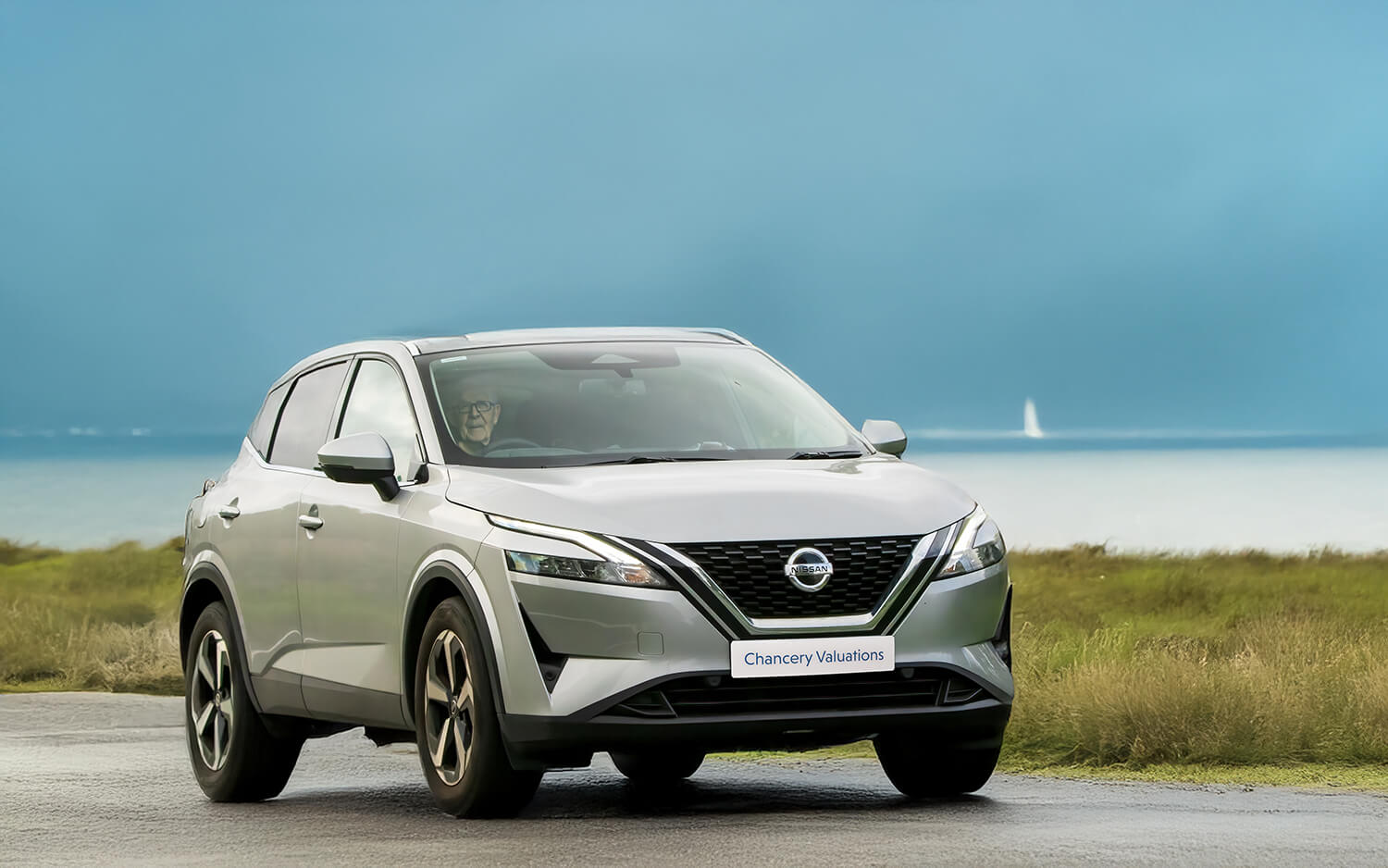
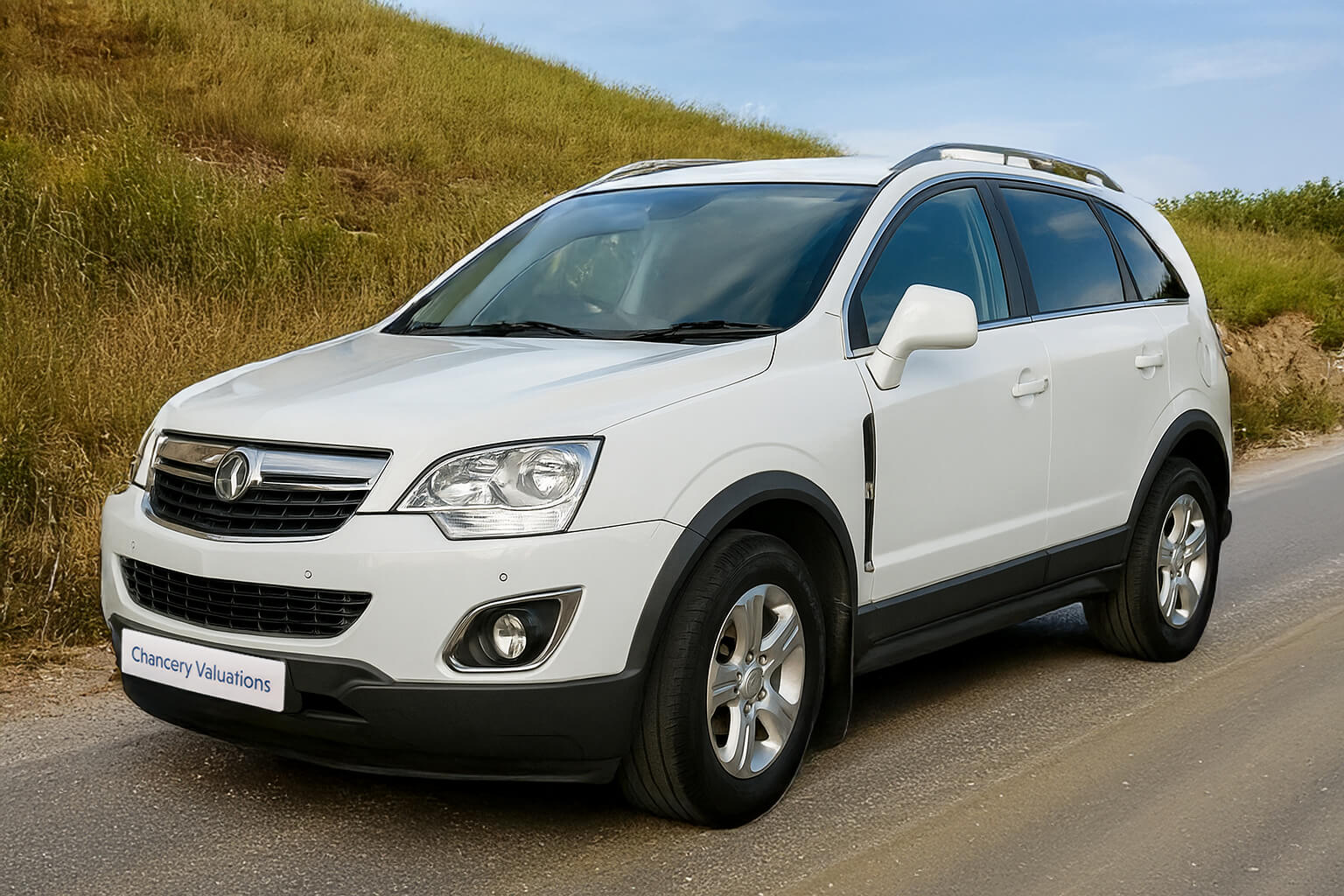
When someone passes away, all of their assets — including cars, motorbikes, or vans — form part of their estate. Legally, the vehicle belongs to the estate until an executor or administrator is given authority through probate or letters of administration.
It’s important to remember that the V5C logbook is not proof of ownership. It simply records who the registered keeper is. The estate remains the true legal owner until authority is granted.
2. Can the Car Be Used?
In most cases, the car cannot be driven or sold until probate is granted. It must remain insured in the name of the estate if it is kept on a driveway or road. Driving without valid insurance, MOT, or tax is illegal, so the safest approach is to leave the car unused until the estate has been settled.
3. Options for the Vehicle
Once the executor has authority, there are a few different routes available:
- Sell the vehicle – through a specialist probate service, dealer, or auction.
- Transfer ownership – to a named beneficiary in the will.
- Dispose of the vehicle – if it has no value or is beyond repair.
- Donate the vehicle – many charities accept cars, even if not running.
- Nationwide coverage
4. Making the Process Easier
Vehicles can be one of the more stressful parts of probate, especially if they are untaxed, uninsured, or off the road. That’s why services like Chancery Valuations exist — to provide free valuations, arrange secure payments, and handle collection anywhere in the UK, even if the paperwork is incomplete.
Conclusion
Dealing with a car after someone dies can feel overwhelming, but knowing the process makes it more manageable. The key point to remember is that the vehicle belongs to the estate until an executor is authorised. With professional help, the process can be handled quickly, fairly, and without unnecessary stress for the family.