
Can You Sell a Car During
Probate in the UK?
Can You Sell a Deceased Person’s Vehicle Before Probate in the UK?
In most cases in the UK, when an individual dies, any vehicle owned solely by them forms part of their estate as a chattel (movable personal property). As such, it may be sold either during the administration of the estate or, in certain circumstances, prior to the grant of probate.
Probate is the legal process of administering a deceased person’s estate and grants the legal authority to deal with estate assets, including selling a deceased person’s vehicle. This authority rests with the Executor (where there is a Will) or the Administrator (where there is no Will). The appointed person(s) are legally responsible for valuing the estate, reporting asset values to HMRC, settling any Inheritance Tax where applicable, and distributing assets to beneficiaries.
Where a vehicle is not currently insured, taxed, or in regular use, it still has a value and must be declared as part of the estate. In addition, personalised or private number plates are classed as separate assets and must be valued independently from the vehicle to which they are assigned.


Can I Sell My Mother’s or Father’s Car During Probate?
It is very common to ask, “Can I sell my mother’s or father’s car during probate?” The answer is usually yes, provided you are the appointed executor or administrator and are acting on behalf of the estate.
Vehicles are often among the first estate assets to be sold or transferred, particularly where they are depreciating, incurring storage or insurance costs, or no longer required by the family. However, even when sold early, the vehicle must still be handled correctly within the probate process.
An early, professional valuation is essential. The vehicle must be valued at its date-of-death value for probate and inheritance tax purposes, regardless of when it is eventually sold. Any difference between the probate valuation and the final sale price should be clearly recorded in the estate accounts to ensure transparency and compliance.
The Importance of an Accurate Probate Vehicle Valuation
Clear communication and accurate probate vehicle valuations are essential. Using estimated figures from automated valuation tools or informal opinions can create issues if HMRC challenges the declared value. Under-valuing vehicles for probate may lead to penalties or additional tax, while over-valuing can cause difficulties when assets are sold and distributed.
Chancery Valuations provides trusted, independent probate valuations for motor vehicles and personalised number plates across the UK and Europe. Specialist valuers assess each asset individually, taking into account condition, provenance, market trends, and specialist demand. This results in probate valuations that are accurate, defensible, and suitable for submission to solicitors, probate practitioners, and HMRC.
Furthermore, motorhomes, campervans, classic cars, and motorcycles often require specialist probate valuations. Their market value can vary significantly depending on age, condition, mileage, originality, rarity, and demand.

Selling the Vehicle or Number Plate During Probate
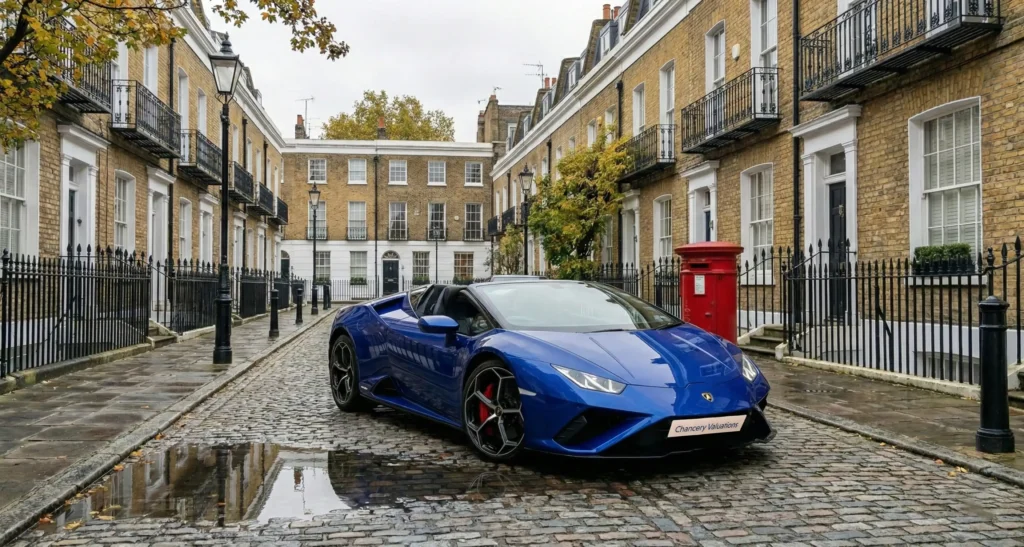
In addition to providing a current probate valuation, Chancery Valuations can also issue a fair market offer to purchase. A wide range of vehicles may be considered, from everyday cars to supercars such as Ferrari, Porsche, Lamborghini, Aston Martin, and luxury marques including Bentley, Rolls-Royce, and Jaguar, as well as classic car or motorcycle collections. Chancery Valuations can also organise the logistics of collection and transfer.
Private or personalised number plates can form part of an estate and must be included in inheritance tax calculations based on their open market value at the date of death. Executors may arrange the sale or transfer of a private number plate during probate, provided they are acting on behalf of the estate, with all proceeds paid into the estate and properly accounted for.

When Should a Vehicle Be Sold During Probate?
Deciding when to sell a vehicle during probate depends on the specific circumstances of the estate. Some executors choose to sell vehicles early to avoid depreciation, storage fees, or ongoing insurance costs. Others prefer to wait until probate has been granted, particularly where there are disputes or complexities within the estate.
Chancery Valuations can provide a confirmed market value that allows a vehicle to be sold or transferred before probate is granted. Waiting several months or even years for probate to conclude can result in additional insurance, tax, and MOT costs, as well as potential penalties if these are not kept up to date.
Once a valuation is agreed, Chancery Valuations can issue a fair offer and arrange a fast payment directly to the executor, solicitor, or estate account. The vehicle does not require insurance or an MOT for collection and can be collected Europe-wide. The process is quick and straightforward, helping to achieve the best possible outcome for the estate.