
How to Sell a Vehicle After Someone Dies
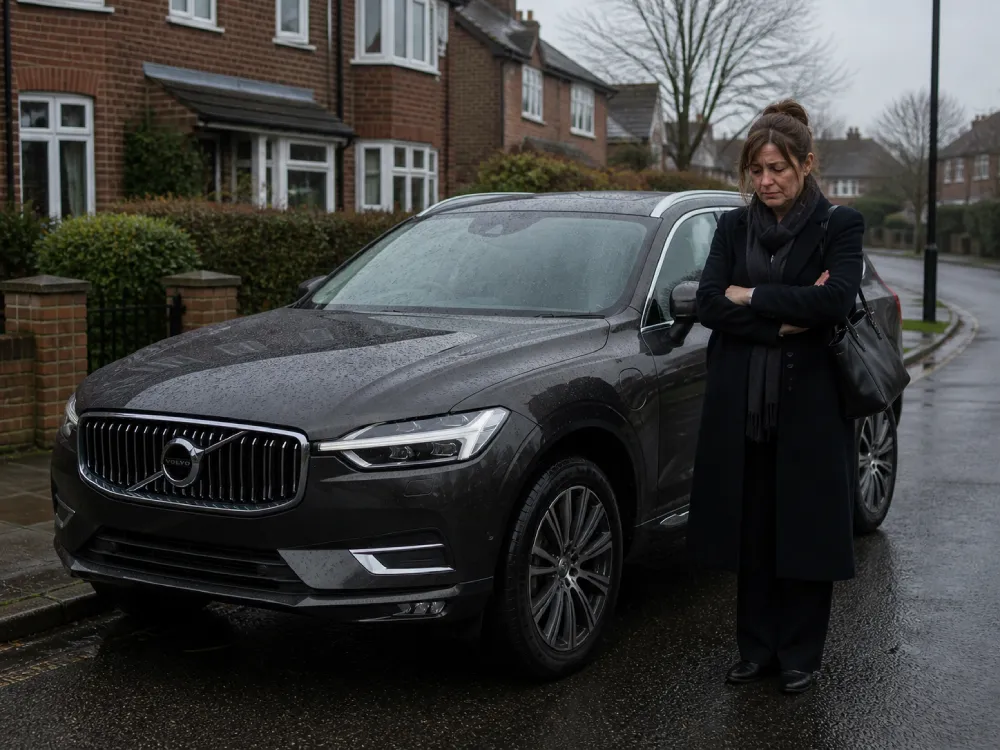
When someone passes away, dealing with the estate that is left behind can feel overwhelming. Alongside the legal and financial matters that may arise, there are often practical issues to handle too, including what to do with any vehicles within the estate.
Probate Vehicle Valuation and Selling a Deceased Person’s Car Made Simple
This could be anything from a Volvo, Honda or Ford car to a more substantial SUV or Range Rover or supercar. Even greater is the emotional burden felt when dealing with a bereaved family member’s vehicle. Handling a treasured motorhome that stores years of the family holiday memories within it, or a person’s collection of classic cars or motorbikes that has been lovingly curated over many years, only heightens the pressure felt by families in dealing with these assets, at an already stressful time.
Chancery Valuations expertise in Probate Vehicle and Private Number Plate Valuation and Sales, helps anyone dealing with chattel assets after the death of an individual.
Understanding who has the authority to sell the vehicle is important. Typically, this will be the executor named in the will. If there is no will, an administrator is appointed. In simpler estates, particularly where there is only one beneficiary, that person can often proceed with the sale. Specialist probate vehicle valuers and buyers, Chancery Valuation, have over 70 years combined experience of dealing with these situations and can guide individuals through what is needed.
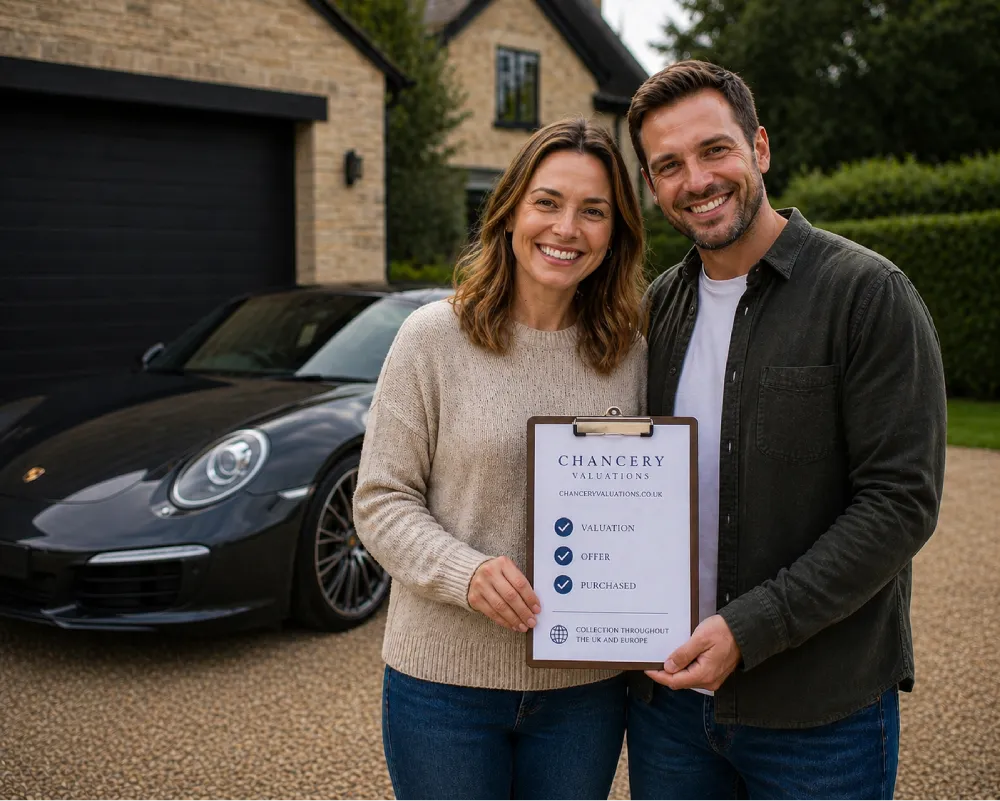
Chancery Valuations Vehicle Valuation and Sale: Easy 3-Step Process
Many people assume that selling a vehicle after someone dies is a complicated matter. Especially as It is often believed that probate (the legal right to deal with someone’s estate when that individual passes away) must be granted in the UK, before doing anything.
In reality, this is not always the case when dealing with certain assets of a deceased individual. While it applies to specific financial assets and property, vehicles are treated differently. These assets are considered to be personal possessions, also known as chattels, and can be sold as part of the estate administration process. In straightforward situations, such as where there is an appointed executor or a sole beneficiary, a vehicle can often be sold prior to probate being granted.
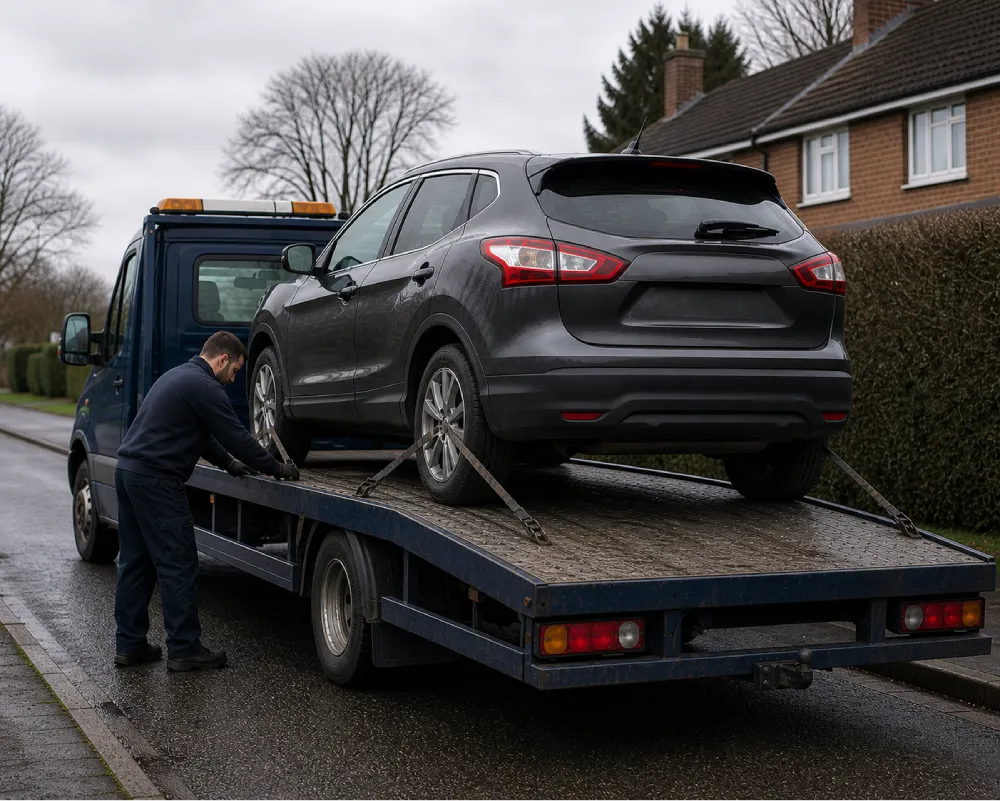
Chancery Valuation 3 Step Process makes valuing and selling a probate vehicle quick, convenient and hassle-free.
A simple online form is completed to provide basic details about the vehicle (such as the registration number and general condition), a speedy 24-hour response is then given by a Chancery Valuations expert to arrange a viewing appointment (remotely for convenience, if needed) for the vehicle or private number plates. Once the valuation has been agreed, an offer of purchase will be made and once accepted, the vehicle collection is arranged at a convenient time (Nationally or European-wide). There is no need for the family to move the vehicle, even if it is not running. This removes one of the biggest practical barriers people face. Payment is then made immediately, providing quick access to funds for the estate.
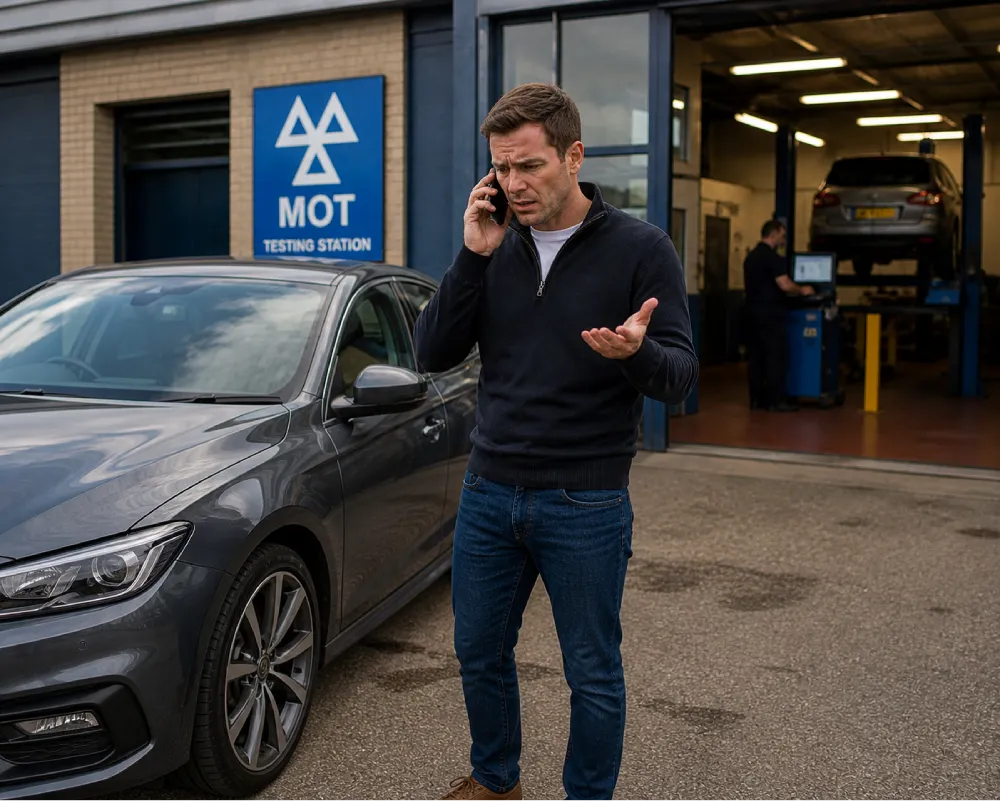
The speed and ease of Chancery Valuation’s end-to-end process, saves time and reduces stress, without the wait (of sometimes months or years) for probate to come through. Compared to traditional car dealers or private sales, this approach removes a lot of complexity. Selling privately would normally be an arduous and emotional task for families to undertake. From prepping the vehicle for sale (such as having to empty the family car of all its memories and valeting it), to handling viewings, often entering difficult negotiations with buyers, and dealing with paperwork, such as arranging insurance and ensuring the vehicle has an MOT. For someone already managing an estate, this can be time-consuming and stressful. Chancery Valuation’s specialist service simplifies everything into a single, managed process.
The Importance of Selling a Vehicle Early on after the Death of an Individual
Vehicles are depreciating assets. A car, motorbike, or SUV that is left unused can quickly lose value. Mechanical issues can develop, batteries can fail, and tyres can deteriorate. For higher-value vehicles such as sports cars, supercars, or classic cars, leaving them sitting without proper care can significantly affect the condition and resale value. Selling sooner rather than later is often the most practical and financially sensible option after the owner has passed away.
Chancery Valuations offers the practical solution to dealing with probate vehicles. With fair market valuations, the ability to sell before probate, instant payment, and full handling of logistics, Chancery Valuation experts provide a straightforward way to deal with vehicles as part of an estate. Whether it is a single car or a collection that includes motorbikes, SUVs, Range Rovers, motorhomes, sports cars, supercars, or classic cars, the process can be completed with minimal stress.
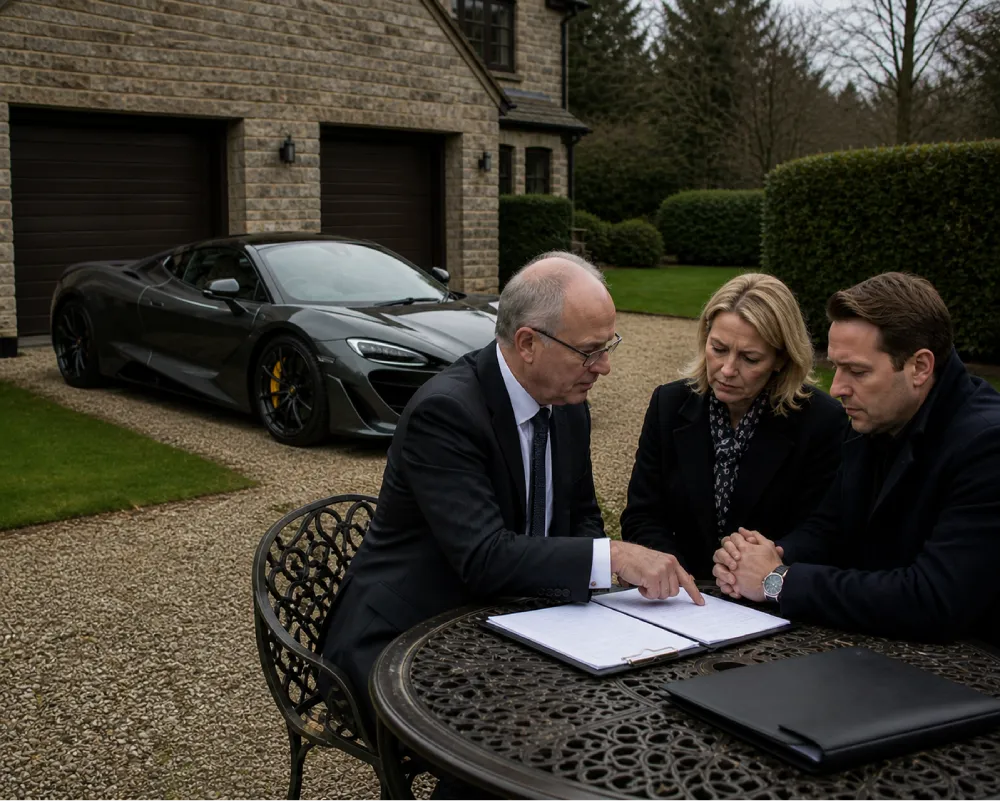
Do I need the Logbook or V5C to Sell My Deceased Dad's Car?
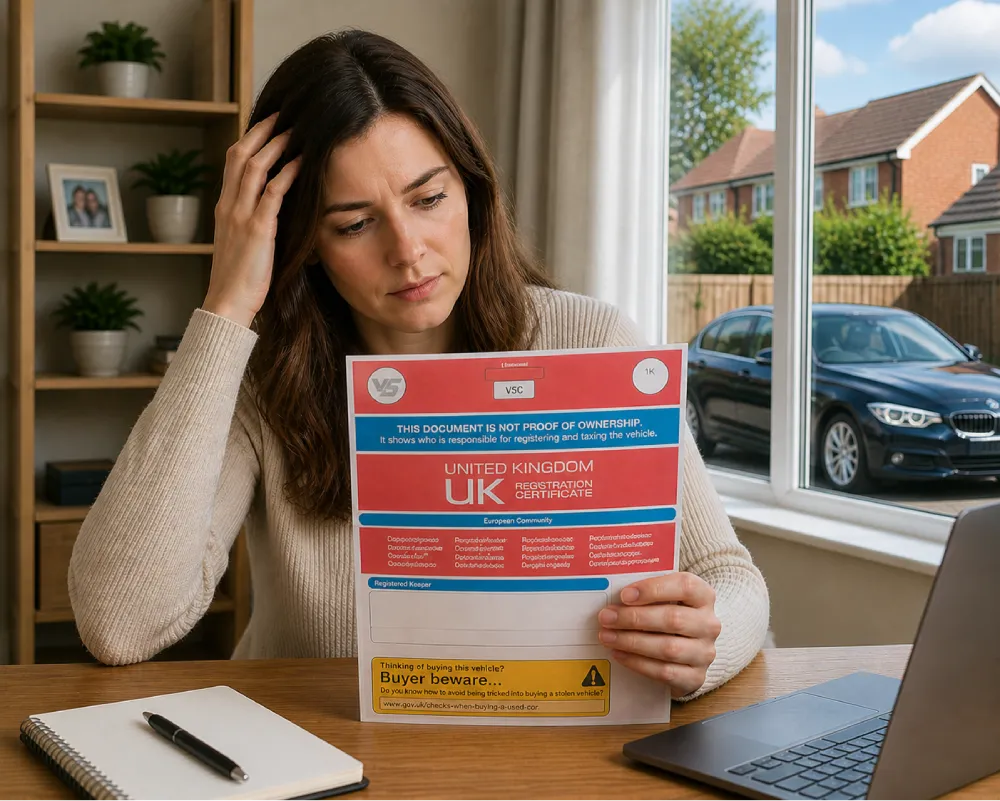
A familiar concern people often have when it comes to selling a deceased loved one’s vehicle is paperwork. Many assume that the logbook, or V5C, is essential to complete a sale. In fact, it is possible to sell a vehicle without the logbook. The V5C is not proof of ownership; it simply records the registered keeper. If the document is missing, a replacement can be applied for, or Chancery Valuations, as the buyer, will handle the process effectively, ensuring there is no delay in the sale.
There is also confusion around MOT, tax, and insurance. After someone dies, their insurance policy is usually no longer valid, and vehicle tax is automatically cancelled. This can make people feel stuck, especially if the vehicle is not roadworthy or cannot legally be driven. However, when selling to the specialist buyer Chancery Valuations, none of this is required.
No valid MOT, road tax, or insurance? No Hassle – Chancery Valuations will buy the vehicle exactly as it is and even arrange the collection of the vehicle Nationally and Europe-wide.

Chancery Valuations focuses on providing a straightforward way to sell vehicles from an estate without unnecessary delays or complications, and before probate is granted. Rather than waiting for legal processes to complete, Chancery Valuations can arrange a valuation and sale early on. This helps prevent depreciation and removes the burden of storing or maintaining the vehicle. For those managing an estate, this can make a significant difference at what is already a difficult time.
A Fair Market Value for Probate Vehicles Valuations and Sales
Chancery Valuations provides fair market valuations. This is particularly important for probate, as accurate valuations are needed for Inheritance Tax reporting and to ensure transparency between beneficiaries. An independent, professional valuation from Chancery Valuations, helps avoid disputes and ensures the estate is handled correctly.
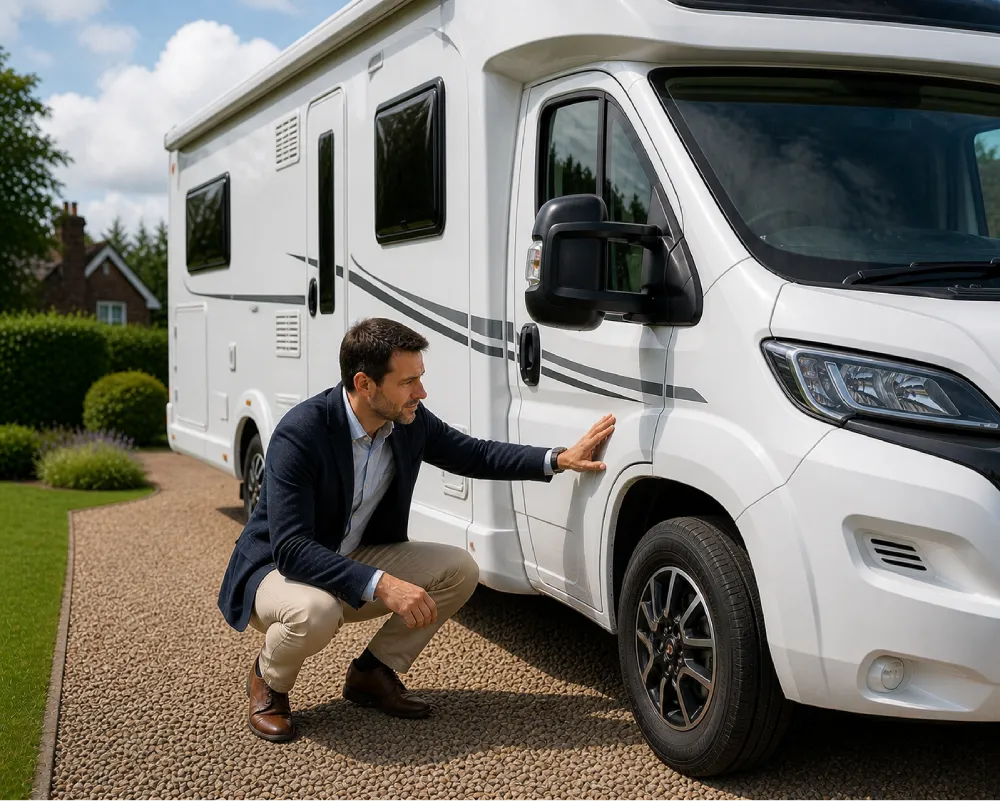
It is also worth considering the range of vehicles that may form part of an estate. While many estates include standard cars, others may include more specialist vehicles. Motorbikes, for example, can be difficult to sell privately without the right market knowledge. SUVs and Range Rovers may have strong resale value but still require effort to sell through conventional channels. Motorhomes and campervans often involve additional considerations due to size and storage. Classic cars and supercars require expert valuation to ensure they are not undervalued. Car collections present an even bigger challenge, as each vehicle needs to be assessed individually.
Chancery Valuations experts understand different vehicle types and ensure that each one is valued correctly and sold efficiently.